Masculine and Feminine Signs: Zodiac Polarity
Every zodiac sign carries a polarity, and it is one of the simplest labels in astrology to apply. A sign is either masculine or feminine, and the two alternate around the wheel without a break. Once you know the pattern, you can name the polarity of any sign in a second, and you can see why the twelve signs fall into two clean halves.
This guide explains what polarity measures, which signs sit in each group, and how to check the polarity of your own signs with the calculators.
What zodiac polarity actually measures
Polarity is a two part split of the twelve signs. Six are classed as masculine and six as feminine. The words describe a quality of the sign, not a person, and they have nothing to do with gender. Older texts also call the two groups positive and negative, or yang and yin, and some modern writers use active and receptive instead. All of those pairs describe the same division.
The split is not a judgement and it is not a ranking. It is a way of sorting signs by the kind of movement they suggest. One group is read as outward, direct and initiating. The other is read as inward, responsive and sustaining. Both are needed, and a chart with only one kind would be lopsided.
The pattern alternates around the wheel
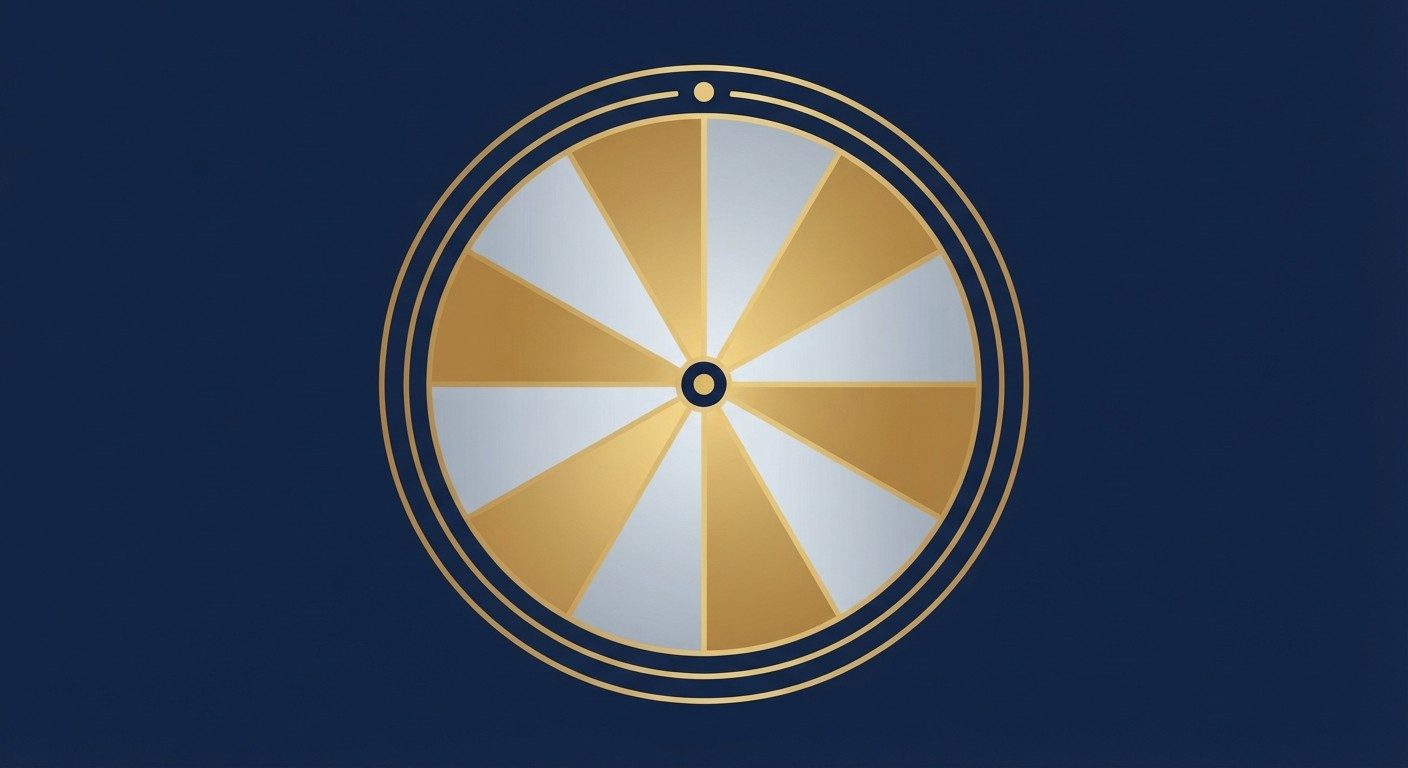
Start at Aries and walk around the zodiac in order. Aries is masculine, Taurus is feminine, Gemini is masculine, Cancer is feminine, and so on to the end. The pattern never breaks. Every sign has the opposite polarity to the sign before it and the sign after it.
That single rule is enough to place all twelve signs. If you know one, you know the rest.
Why the pattern alternates
The alternation follows the elements. Fire and air signs are masculine, earth and water signs are feminine. Because the elements repeat in the order fire, earth, air, water, the polarity flips with every step. That is why the pattern is so regular, and why it lines up with the odd and even numbering of the signs.
The six masculine signs
The masculine signs are Aries, Gemini, Leo, Libra, Sagittarius and Aquarius. They are the fire and air signs, and they occupy the odd numbered places on the wheel, counting Aries as one.
Read this group as the outward half. These signs are described with words like direct, expressive, quick to start and comfortable in the open. Fire signs bring heat and momentum, air signs bring movement and exchange, and both are read as pushing outward rather than drawing inward.
You can see the range inside the group. Aries opens, Leo performs, Sagittarius explores, and on the air side Gemini talks, Libra weighs, Aquarius groups. The style differs, but the direction is the same.
The six feminine signs
The feminine signs are Taurus, Cancer, Virgo, Scorpio, Capricorn and Pisces. They are the earth and water signs, and they sit in the even numbered places.
Read this group as the inward half. These signs are described with words like steady, receptive, containing and slow to move. Earth signs build and hold, water signs feel and absorb, and both are read as drawing inward rather than pushing out.
The range is just as wide here. Taurus settles, Virgo sorts, Capricorn structures, while Cancer protects, Scorpio probes and Pisces dissolves. Again the style varies and the direction holds.
What polarity does not mean
This is the part worth slowing down for, because the labels are old and the words carry baggage.
It is not about gender
Masculine and feminine here are technical terms for a quality of a sign. They do not describe men and women, and they do not say anything about a person's character, worth or role. A chart belongs to a person, and a person is not a sign. Plenty of people carry a mix of both polarities across their Sun, Moon and Rising signs, and that mix is normal.
It is not a strength scale
Neither group is better. The outward signs are not braver and the inward signs are not weaker. A chart read well uses both, the masculine signs to start things and the feminine signs to keep them. Treating one half as superior is a reading error, not an insight.
How to find polarity in your own chart
Polarity is not a separate calculation. It comes free with any sign you already have, because every sign has a fixed polarity. So the practical step is to get your signs and then label each one.
Start with the zodiac sign calculator, which returns the Sun, Moon and Rising signs together. Then read each result against the two lists above. If your Sun is in an earth or water sign and your Rising is in a fire or air sign, you are carrying both polarities, which is common.
If you want the Moon on its own, the moon sign calculator handles the changeover day problem, where a birth time decides which side of the boundary you fall on. The rising sign calculator needs a city as well as a time, because the horizon is local.
Every one of these tools runs in your browser. The date, time and city you type are used on your own device and are not sent to CalcJournal, which is explained on the how we calculate page.
Where polarity sits in the wider grid
Polarity is one of three labels that every sign carries. The other two are element and modality. Element sorts the signs into fire, earth, air and water. Modality sorts them into cardinal, fixed and mutable. Polarity sorts them into two halves of six.
Because the three labels are independent, each sign has a unique combination. Aries is masculine, fire and cardinal. Taurus is feminine, earth and fixed. No two signs share all three, which is why the grid can describe twelve distinct styles from three short lists.
Polarity is the coarsest of the three, and that is its use. It gives you a fast first read of a sign before you look at anything else. If you want the date ranges and the ruling planet for each sign, the twelve sign pages list them in one place.
A quick way to remember it
Two rules cover the whole system. Fire and air are masculine, earth and water are feminine. And the pattern alternates, so once you know one sign you can count your way around the wheel.
That is enough to label any chart you meet.